Deck Construction: What to Anticipate From Professional Deck Builder Services
When considering the services of a qualified deck specialist, homeowners can look forward to a well-organized approach to enhancing their outdoor living environments. From the first meeting to the finishing details, each step is designed to ensure compliance with regulations and superior craftsmanship. Being aware of what lies ahead can simplify the experience and enhance satisfaction. Yet, homeowners are commonly unclear about their role and responsibilities throughout this undertaking. What key information should they have before beginning this endeavor?
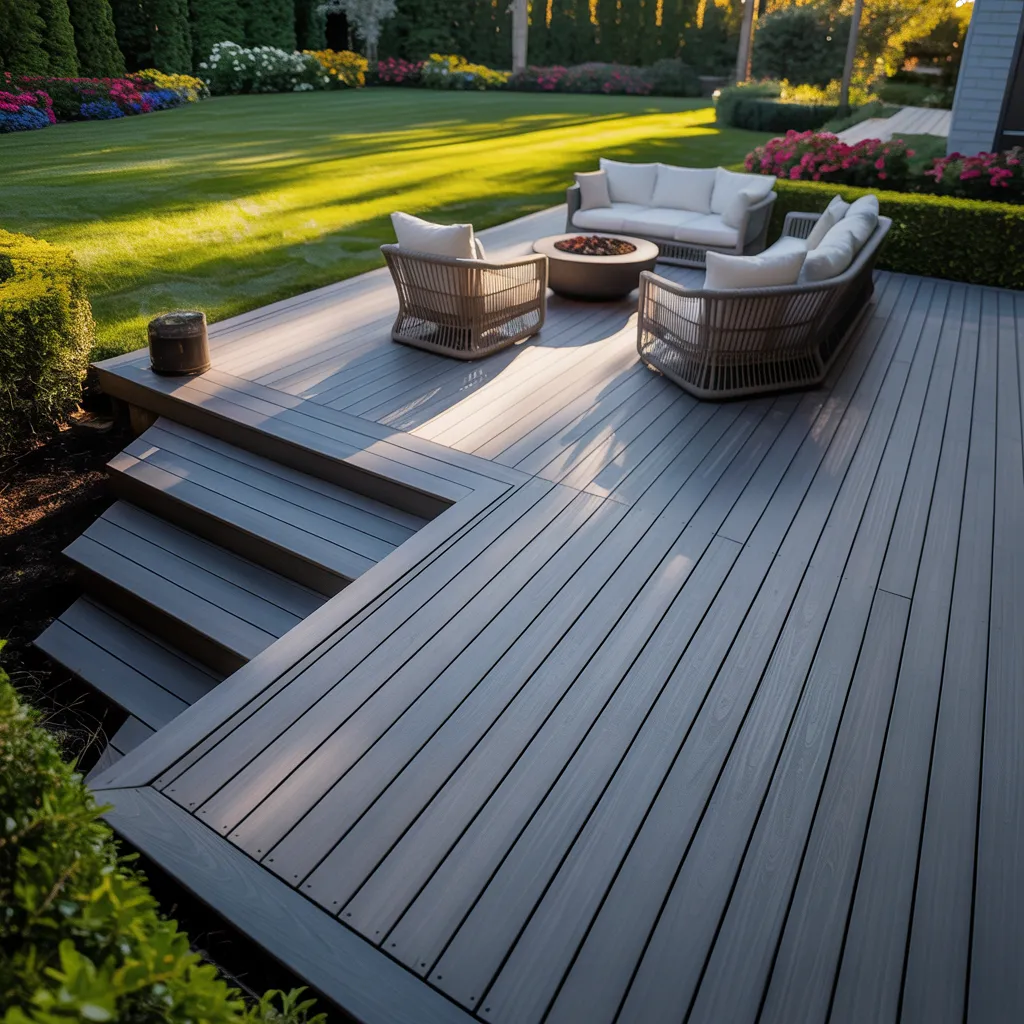
Exploring the Role of a Professional Deck Builder
A proficient professional deck builder serves a vital function in improving outdoor spaces. Their proficiency spans design, material selection, and construction, guaranteeing that each project fulfills the client's vision and regional requirements. By view this analyzing the distinct features of a site, they are able to suggest suitable designs that boost the overall look and usability.
These professionals are adept at overseeing the complete construction process, working closely with suppliers, and meeting project deadlines. They possess a deep understanding of a wide range of materials, spanning wood to composite materials, enabling them to guide clients regarding long-term durability and upkeep.
In addition, a skilled deck builder guarantees structural integrity, applying safety measures that align with local building codes. Their knowledge prevents frequent mistakes, ensuring a smooth building process and a successful finished result. When all is said and done, a qualified deck builder not only constructs useful outdoor environments but also adds considerable value to a home through thoughtful design and exceptional craftsmanship.
What to Expect in Your Initial Consultation
Throughout the introductory consultation, clients will experience a detailed discussion of their project goals, enabling the builder to grasp their ideas. Additionally, design element preferences will be discussed to ensure alignment between the client's desires and the builder's expertise. This foundational meeting sets the stage for a successful deck-building process.
Discussion of Project Goals
When clients engage in a preliminary consultation for deck construction services, they can expect a thorough discussion intended to establish project objectives and preferences. The consultation usually commences with clients describing their vision for the deck, including planned purposes such as entertaining or unwinding. Professionals will inquire about key features, material preferences, and budgetary considerations. They will also discuss relevant local codes or property factors that could impact the project. By thoughtfully considering the clients' requirements and expectations, the contractor can ensure consistency between the project parameters and the client's vision. Setting these core objectives is essential for a productive working relationship, which shapes the design and construction phases that follow.
Design Style Exploration
How should clients express their design preferences when meeting with deck building professionals for the first time? Clients should come prepared with ideas, sketches, or images that reflect their vision for the deck. Discussing particular styles—like modern, rustic, or traditional—allows builders to better grasp the client's aesthetic preferences. It's also beneficial to discuss the intended use of the deck, whether for entertaining, relaxation, or family gatherings. Careful consideration of materials, colors, and features including railings or lighting is important, since these components have a major impact on the overall design. Transparent communication is critical; raising questions and being open to the builder's input can produce a more customized result. This collaborative approach guarantees that both parties align on the vision and practical aspects of the project.
What Part Should You Take in the Deck Building Process?
What role should one assume in the deck building process? A homeowner should take an engaged yet team-oriented position, engaging with professional builders while clearly communicating needs and preferences. Such participation ensures that the finished deck matches individual expectations and functional needs.
As a first step, homeowners should gather inspiration and create a list of key requirements, including design, materials, and function. In doing so, they give construction professionals with a clear framework for design discussions.
Additionally, it is important to remain open to professional insights. Builders often bring important knowledge regarding construction integrity, area-specific regulations, and cost-effectiveness.
Ultimately, it is important for homeowners to determine a budget and schedule from the outset, promoting open communication and defining realistic expectations. By combining their vision with professional advice, homeowners can play a pivotal role in designing a deck that elevates their outdoor living space.
How to Convert Your Design Concepts Into Reality
Bringing design ideas to life calls for a thoughtful methodology linking inspiration and application. First and foremost, establishing a clear vision is vital, guaranteeing that all design elements align with the homeowner's desires. Experienced deck contractors frequently suggest developing precise drawings or employing 3D modeling tools to accurately picture the end result.
Furthermore, setting a achievable budget and timeline is vital. This part of the process entails addressing potential challenges, such as environmental factors or zoning requirements, with the contractor to anticipate and mitigate any issues. Clear communication serves a fundamental purpose; regular updates and consultations guarantee the work stays true to the core objectives.
To conclude, working with an expert deck contractor who comprehends the nuances of design implementation guarantees that the shift from design to build is seamless. When adhering to these guidelines, property owners can effectively oversee the transition of their design ideas into a stunning, functional outdoor space.
How to Find the Right Materials for Your Deck
Choosing the right choices for a deck demands thorough evaluation of various options, including composite and wood materials. Each choice presents unique benefits, particularly in terms of durability and aesthetics. Additionally, knowing environmental durability is critical for ensuring lasting durability in different climates.
Wood vs. Composite Options
Choosing the most suitable materials for a deck can considerably affect its durability, maintenance, and aesthetic appeal. Property owners often face the dilemma between conventional wood and composite decking. Timber, commonly favored for its classic charm and warmth, offers a classic look but requires regular maintenance, including staining and sealing. On the other hand, composite deck materials, made from a blend of wood fibers and plastic, provides a reduced-maintenance solution that withstands fading and splintering. Although it may require a greater upfront investment, composite decking frequently demonstrates greater longevity. At the end of the day, the decision is determined by personal priorities, budget constraints, and future maintenance expectations, affecting the total satisfaction achieved with the final deck.
Weather Resistance Factors
When considering deck materials, weather resistance is a critical consideration that strongly influences durability and functionality. Proper selection of materials can protect against damage caused by moisture, UV rays, and temperature fluctuations. To illustrate, composite decking commonly utilizes innovative technology to prevent fading and warping, making it a great choice for varied climates. Pressure-treated wood is another option, but it requires regular maintenance to combat rot and insects. Moreover, tropical hardwoods, celebrated for their natural oils, provide exceptional resistance to weather but may come at a higher cost. In the end, assessing the regional climate and examining the characteristics of various materials assists in selecting a deck that holds up against weather conditions, ensuring a durable and attractive outdoor space for years to come.
Construction Schedule: What to Anticipate
How much time does a standard deck construction project require? The duration of a deck construction project can fluctuate greatly based on multiple factors, including design complexity, material choice, and weather conditions. Generally, a straightforward deck installation may take between one to three weeks. This duration includes multiple key phases, beginning with the preliminary consultation and design sign-off, then progressing to site preparation and sourcing of materials.
After all required permits have been secured, construction begins. This period involves framing, decking installation, and finishing touches, such as stairways and railings. Each step requires careful attention to detail and could be impacted by unforeseen delays, such as poor weather or material sourcing challenges. Homeowners should anticipate ongoing contact with their deck construction team to remain up to date on progress and any potential adjustments to the timeline. Ultimately, having a clear grasp of the building timeline enables homeowners to form practical expectations for homeowners starting on a deck-building project.
Major Deck Building Challenges and How to Solve Them
Building a deck introduces several challenges that can test even the most experienced builders. Within these hurdles, site preparation often proves to be a considerable challenge. Uneven terrain or inadequate water drainage can disrupt the installation process. Professionals can tackle this challenge by conducting thorough evaluations and applying proper ground preparation methods.
One recurring difficulty lies in selecting suitable materials. As many options exist, striking a balance between visual appeal, expense, and resilience is critical. Skilled professionals can resolve this concern by presenting clients with comprehensive evaluations of materials tailored to distinct environments.
Weather-related factors present a significant challenge, as sudden rainfall or harsh temperatures may cause project delays. To tackle this issue, planning for flexible timelines and keeping a close eye on forecasts is essential.
Additionally, adhering to local building codes and regulations may seem overwhelming. Staying updated on such regulations and working alongside regulatory bodies can simplify the permitting process, ensuring compliance and timely project execution.
Deck Builder-Recommended Maintenance Tips for Longevity
Completing a deck build is only the first step in keeping a stunning outdoor area. Consistent care is necessary for long-lasting beauty and functionality. Experienced deck contractors advise periodic evaluations, looking for unstable boards, oxidized screws, or evidence of deterioration. Washing the deck a minimum of two times annually is essential; using a gentle cleanser and a soft brush can prevent dirt buildup and mold growth.
Adding a weather-resistant sealant every few years helps guard against sun and moisture damage, preserving the wood's integrity. In the autumn, it's recommended to clean away leaves and debris to prevent moisture retention and potential rot.
In addition, deck owners should guarantee sufficient drainage around the deck to minimize water pooling. If the decking surface is finished with paint or stain, reapplying these treatments can improve both appearance and durability. By adhering to these best practices, homeowners can benefit from their deck spaces for numerous years, optimizing their investment value and outdoor living experience.

Popular Questions We Receive
How Much Does a Professional Deck Building Service Typically Cost?
A professional decking service typically costs anywhere from $15 to $35 per square foot, based on materials, design complexity, and location. Additional expenses may arise from permits and custom features, affecting the overall price.
What Permits Are Required for Deck Construction?
Generally, permits required for deck construction include inspections, building permits, and zoning approvals, with requirements differing by area. Residents ought to review their local regulations to guarantee regulatory compliance and avoid unnecessary fines or project delays during the project.
Am I Able to Make Changes During the Construction Process?
Modifications are frequently possible during the construction process, but they may require approval from the construction team. Modifications might influence costs, timelines, and materials, so clear communication with the contractor is essential for a seamless shift.
Will Deck Builders Provide a Warranty on Their Work?
Most deck construction professionals include warranties on their craftsmanship, offering safeguards against flaws in both materials and labor. The duration and coverage of these warranties may differ, so it is important for property owners to verify the terms before the project gets underway.
How Long Can My Deck Last With the Right Maintenance?
With the right upkeep, a well-constructed deck can last between 15 and 25 years. Routine inspections, cleaning, and sealing are critical to maximize its longevity, guaranteeing structural soundness and aesthetic appeal over time.